Revamping Commercial Areas with Networked Acoustic Solutions for Elevated Guest Satisfaction
Contemporary commercial spaces increasingly turn on digital solutions to design environments that are both functional and appealing. Among the most impactful tools for shaping these areas are connected audio technologies. These networks allow companies to offer uniform and premium sound within commercial areas, corporate spaces, or guest spaces. By implementing connected sound solutions, businesses can manage ambient sound, announcements, and signals from a unified interface, guaranteeing every area of the location preserves the desired environment. The planned use of acoustics contributes to consumer satisfaction and engagement, which is critical for retaining visitors and promoting repeat visits.
Connected sound technologies also offer a key purpose in optimizing business operations. For extensive retail stores or multi-floor commercial structures, controlling music directly can be cumbersome and uneven. Integrated solutions offer streamlined management, allowing employees to adjust sound levels, schedule playlists, or send important messages immediately across multiple sections. This level of coordination reduces the need for ongoing intervention and maintains that all areas experience the uniform level of audio. Companies can also incorporate monitoring systems with these networks to track listening trends and improve content delivery, additionally supporting the overall customer and team satisfaction.
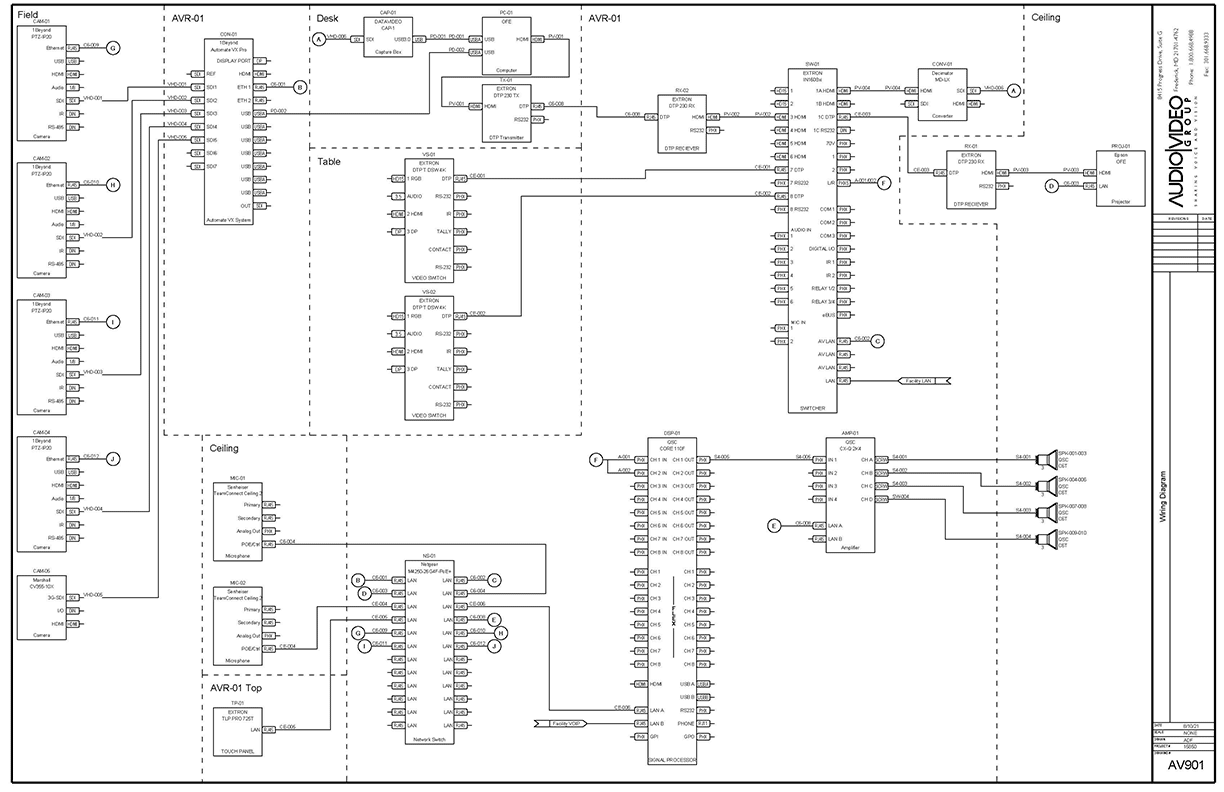
Another important factor of connected audio systems is their benefit to corporate image. Sound design is a nuanced yet impactful tool that affects experience and engagement. Carefully curated ambient sound and sound prompts can reflect a brand’s personality, making the space appear inviting and refined. For illustration, businesses can use specific genres or tempos to encourage longer browsing times, while cafes can modify background technical crew training programs music to complement dining experiences. The consistency of audio across all zones of a company supports create a unified space that enhances both branding and management goals.
Security and usability are further values of integrated acoustic technologies in retail areas. These platforms can be linked with safety mechanisms to broadcast precise instructions during evacuations or critical incidents. High-quality audio distribution ensures that every zone of the facility experiences instructions uniformly, limiting uncertainty and supporting protection measures. Furthermore, acoustic solutions can enable assistive features, such as audio prompts or assisted listening alerts, supporting the accessibility of the environment. Incorporating these functionalities demonstrates a focus to both consumer service and safety regulations.
Finally|Ultimately|In conclusion, deploying in networked sound systems offers long-term value for businesses. Beyond short-term benefits to client satisfaction, these systems offer flexibility, dependability, and web link versatility as business environments evolve. Upgrading or extending sound systems can be completed without significant disruption, and the capability to adjust audio levels ensures that organizations can respond effectively to evolving preferences or demands. By leveraging modern acoustic technologies, businesses can create engaging, optimized, and well-managed areas that improve both client experience and business efficiency, making these technologies an vital element of contemporary commercial design.